FIFA's Quiet Cover-Up
During the World Cup match at Levi’s Stadium, FIFA quietly covered up ads from non‑sponsor brands — from blurred signs to digital edits — sparking debate over transparency in sports marketing and the fine line between authenticity and corporate control.
NEWS
7/2/20262 min read
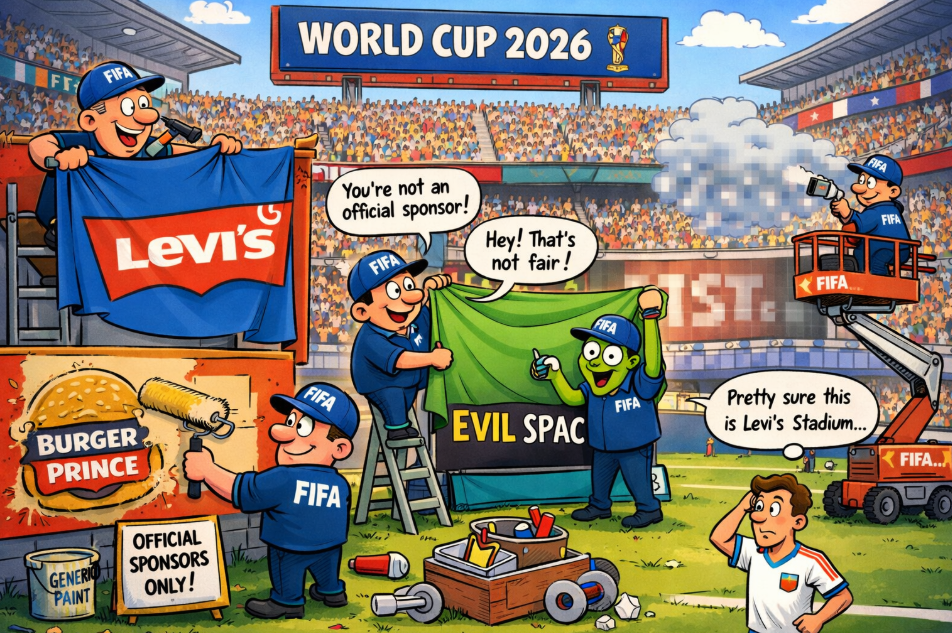
The Hidden Ads of Levi’s Stadium: FIFA’s Quiet Cover‑Up During the World Cup
Last night’s World Cup match at Levi’s Stadium wasn’t just a spectacle of athleticism and national pride — it was also a masterclass in corporate choreography. While fans focused on the game, FIFA was busy managing something else entirely: the visibility of advertisements from brands that weren’t official sponsors.
It’s a story that reveals how tightly controlled modern sports marketing has become — and how far organizations will go to protect their commercial ecosystem.
The Scene: A Stadium Full of Energy, and Carefully Curated Imagery
Levi’s Stadium, home to the San Francisco 49ers, is no stranger to high‑profile events. But during the World Cup, it transformed into a meticulously branded stage. Every visible logo, banner, and digital display was vetted to align with FIFA’s sponsorship agreements.
Fans noticed something odd: certain familiar local and tech‑related ads that usually appear during events at Levi’s were mysteriously absent or blurred out on broadcast feeds. Even signage visible from certain camera angles seemed digitally altered or cropped.
The Sponsorship Game: Why FIFA Guards Its Partners So Fiercely
FIFA’s sponsorship model is one of the most lucrative in global sports. Official partners pay millions — sometimes hundreds of millions — for exclusive visibility during the tournament. That exclusivity means any non‑sponsor brand appearing on screen, even incidentally, can be considered a breach.
To maintain that exclusivity, FIFA reportedly uses a mix of physical cover‑ups (temporary banners or drapes) and digital masking (broadcast editing tools that blur or replace logos). The goal is simple: ensure that only paying sponsors benefit from the global spotlight.
It’s not illegal, but it raises questions about transparency and authenticity in live sports coverage.
The Levi’s Stadium Case: What Viewers Noticed
During last night’s match, several viewers and journalists pointed out inconsistencies:
Local advertisements normally visible around the stadium were missing or replaced with neutral patterns.
Digital overlays appeared to obscure certain railings and boards, suggesting post‑production editing.
Camera angles seemed deliberately chosen to avoid showing non‑sponsor signage.
While FIFA hasn’t commented publicly, the pattern aligns with previous tournaments where similar techniques were used to maintain sponsor exclusivity.
The Bigger Picture: Branding vs. Authenticity in Global Sports
This isn’t just about one stadium or one match. It’s about how global sports organizations balance authenticity with commercial interests.
Fans expect genuine, unfiltered experiences.
Sponsors expect exclusivity and protection of their investment.
Broadcasters navigate the tension between both.
In the process, the line between live reality and curated spectacle grows thinner.
Final Thoughts
The World Cup at Levi’s Stadium was thrilling — but it also highlighted the invisible machinery behind modern sports marketing. FIFA’s quiet cover‑up of non‑sponsor ads shows how far the organization will go to preserve its commercial ecosystem, even if it means editing reality itself.
As AI‑driven broadcast tools and digital overlays become more advanced, the question isn’t whether fans will notice — it’s whether they’ll care. When the game is this good, maybe the illusion is part of the show.
Disclaimer: Information about FIFA’s advertising practices should be verified with official tournament sources and reputable news outlets.
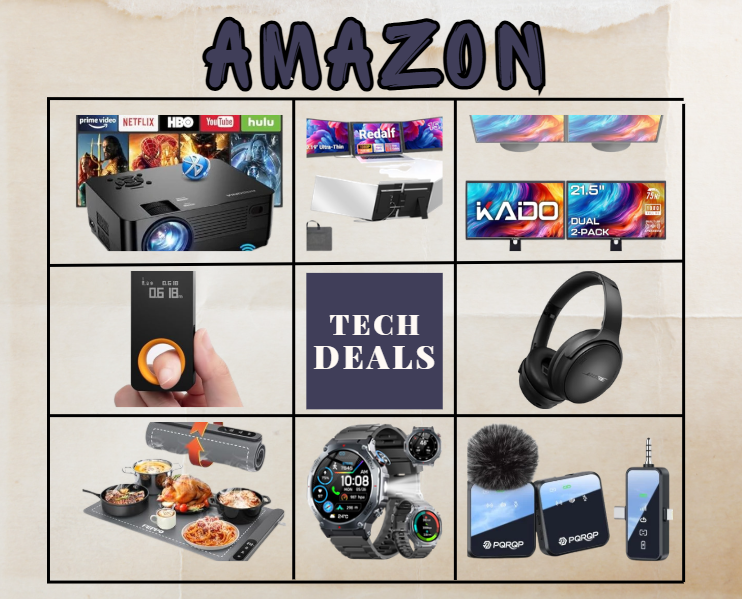
Mastersgt.com is a participant in the Amazon Services LLC Associates Program. As an Amazon Associate, I may earn from qualifying purchases at no extra cost to you!
Affiliate Disclosure & Privacy Notice
Some links on this site may earn me a commission if you click or buy (consider it a small donation to the Honda Club’s imaginary lawn mower fund, lol.) For details on how your data is handled (with care and a touch of absurdity), please visit the Privacy Policy.
Copyright Notice:
All content on Mastersgt.com is protected under copyright law. Unauthorized reproduction, distribution, or use of any text, images, or other materials without explicit permission is prohibited. If you'd like to share or reference a post, please provide proper attribution.